
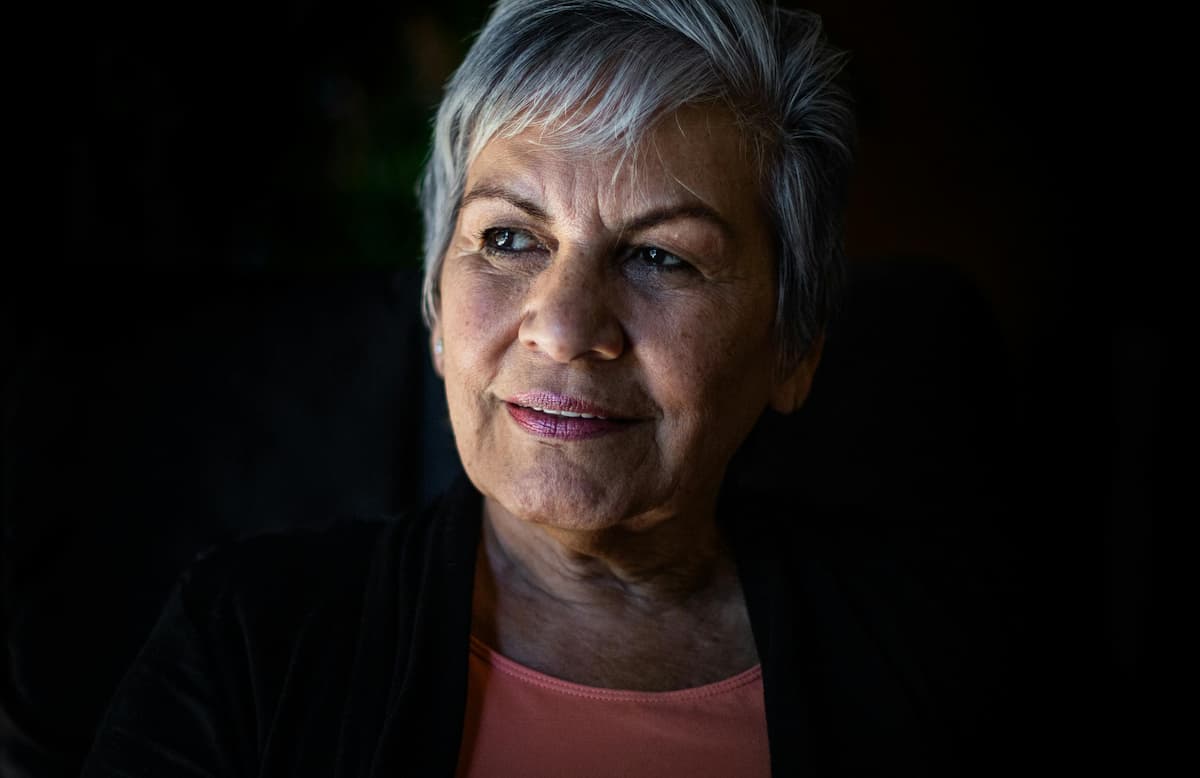
This personality trait is linked to living almost 8 years longer on average.
Optimists are most likely to hold positive beliefs about aging.
Critically, optimists believe they can control their lives and make improvements.
This means that believing in a healthy, engaged old age is a self-fulfilling prophecy — people with these views tend to experience better health and are more active and social.
Ms Shelbie Turner, the study’s first author, said:
“How we think about who we’re going to be in old age is very predictive of exactly how we will be.”
Studies have found that people who imagine themselves more positively at age 50 tend to enjoy better health 40 years later.
They are less likely to suffer a heart attack, have better memory, a greater will to live and are less likely to die prematurely.
Professor Karen Hooker, study co-author, said:
“Previous research has shown that people who have positive views of aging at 50 live 7.5 years longer, on average, than people who don’t.”
For the study, 244 people were tested for their optimistic traits and for how they saw themselves in the future.
Each person listed two ‘hoped-for’ future selves and two ‘feared’ future selves.
For example, participants feared becoming chronically ill and living with pain, while hoping to remain healthy and active.
The results revealed that optimistic people held more positive views about aging.
Overcoming ageist stereotypes
Older people are often stereotyped as suffering memory problems, having difficulty exercising and being poor drivers.
Professor Hooker said:
“Kids as young as 4 years old already have negative stereotypes about old people.
Then, of course, if you’re lucky enough to live to old age, they eventually apply to you.”
Even older people sometimes reinforce these stereotypes themselves in the way they behave and think about aging.
Professor Hooker said:
“People need to realize that some of the negative health consequences in later life might not be biologically driven.
The mind and the body are all interwoven.
If you believe these bad things are going to happen, over time that can erode people’s willingness or maybe even eventually their ability to engage in those health behaviors that are going to keep them as healthy as they can be.”
According to Professor Hooker, greater interaction between younger and older generations could help foster more positive views of aging:
“The more you’re around older people, the more you realize that it’s not all bad.
Older people can do some things better than young people do. Increasing opportunities for intergenerational relationships is one way we can make people more optimistic about aging.”
Increase your optimism
People naturally become more optimistic with age, studies have found.
However, exercises such as visualising your ‘best possible self‘ have been shown to increase optimism in the short-term.
Visualising your best possible self may sound like an exercise in fantasy but, crucially, it has to be realistic.
Carrying out this exercise typically involves imagining your life in the future, but a future where everything that could go well has gone well.
In this imagined future, you have achieved the realistic goals you set for yourself.
Then, to help reinforce the exercise, you write down a description of your best possible self.
The study was published in the The International Journal of Aging and Human Development (Turner & Hooker, 2020).