
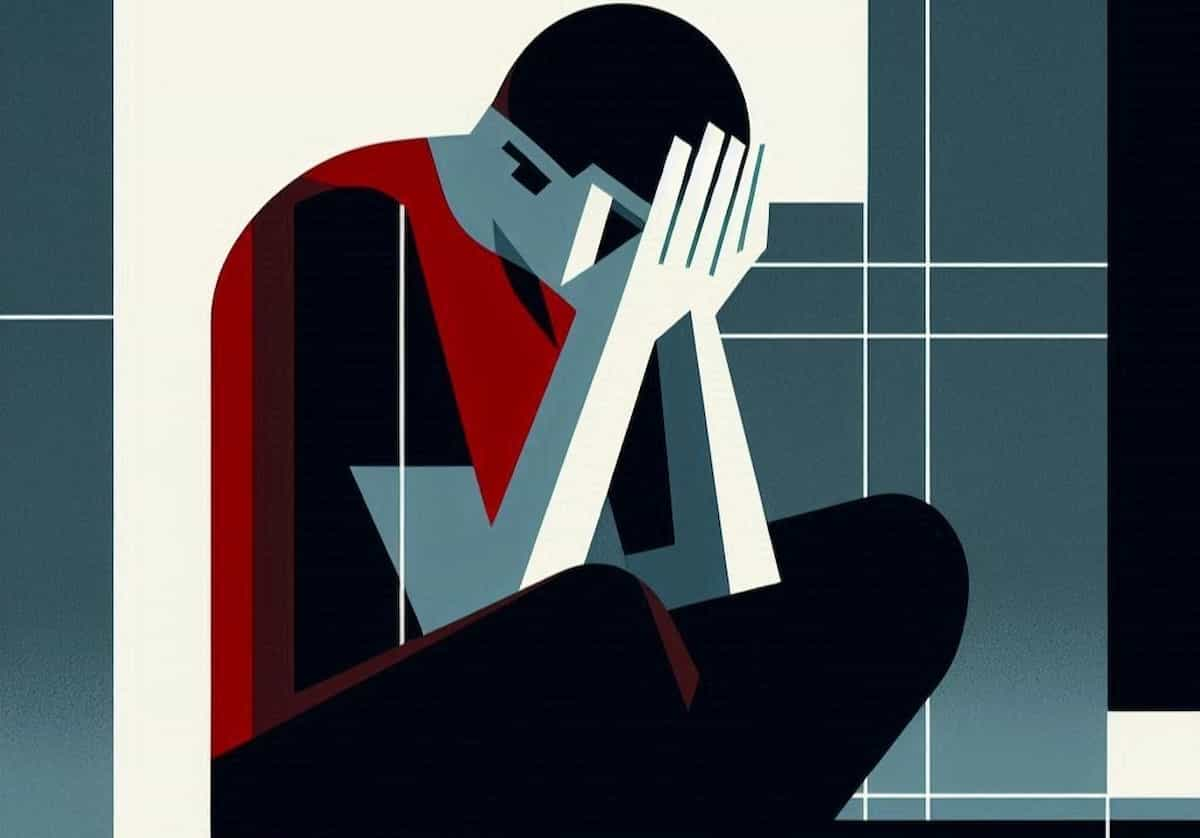
The symptom occurs in 50 percent of people with depression.
Physical pain is a surprisingly common sign of depression.
Over half of those living with depression experience physical symptoms such as headaches, stomach aches, dizziness and muscle or leg pain.
Indeed, these physical issues are nearly as common as emotional struggles like moodiness, lack of motivation and fatigue.
Even after successful treatment with antidepressants, the physical symptoms can linger after the emotional ones have improved.
Professor Kurt Kroenke, who led the study, said:
“Depression is a risk factor for symptoms of pain.
The most reports of pain – such as muscle pain, headaches, leg pain – are two or three times more common in people with depression.”
The conclusions come from a study of 573 depressed people visiting 37 different clinics in the US.
The results revealed that common antidepressants were less effective when the physical symptoms were more severe.
In one-third of patients, the physical symptoms lasted longer than the emotional ones.
Professor Kroenke said:
“Physical symptoms may not respond to common antidepressant treatment as much as the emotional symptoms.
Even though the physical symptoms may be related to or aggravated by the depression, they can linger longer than the emotional symptoms.”
Professor Kroenke continued:
“While physical symptoms showed, on average, some improvement with antidepressant treatment, the improvement was typically less than was reported for emotional symptoms.
Most of the improvement for the physical symptoms occurred within the first month of treatment, while the emotional symptoms continued to improve over a nine-month period.”
Related
- Depression: 8 Vicious Circles That Trigger & Sustain It (P)
- The #1 Food To Fight Depression — And 11 More Nutrition Dos and Don’ts (P)
The study was published in the Journal of General Internal Medicine (Greco et al., 2004).