
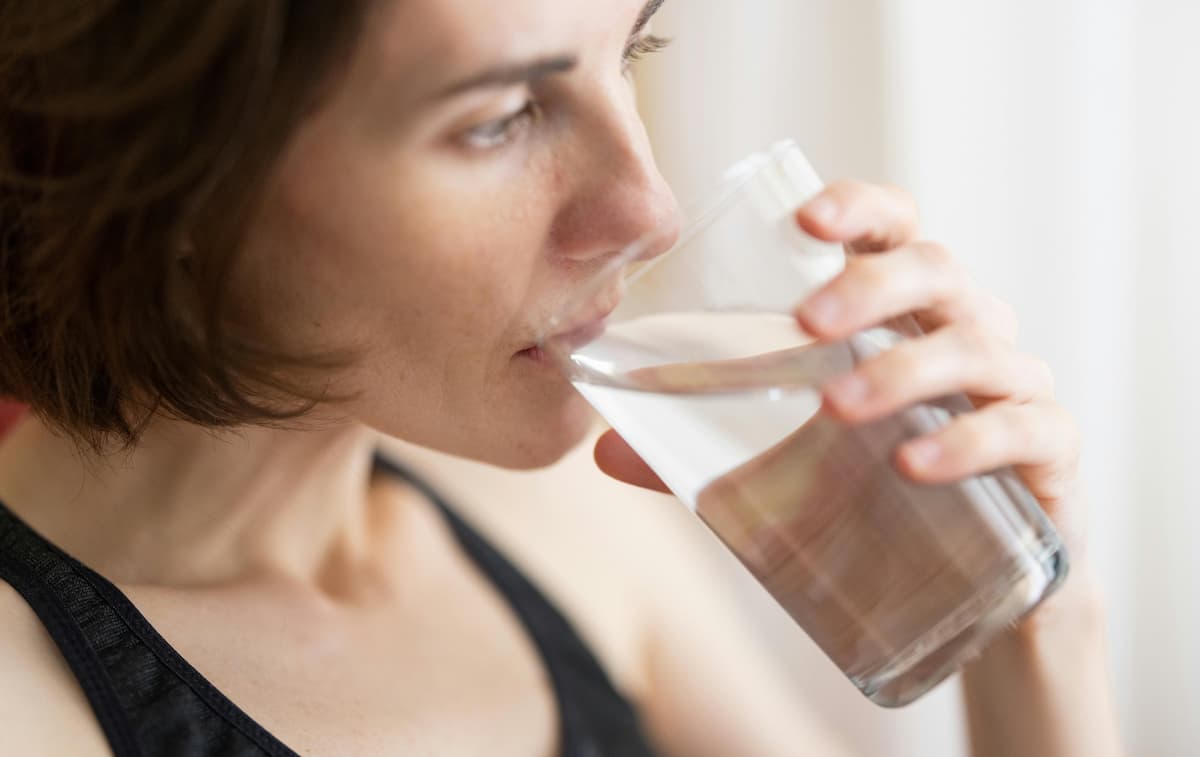
Water and diet drinks went head to head in a two-year trial.
People who drink diet soft drinks can keep weight off for two years about as well as those who drink water.
Among those who completed the trial, average weight loss was 4.8 kg in the diet drink group and 3.7 kg in the water group (which was not a statistically significant difference).
Both groups took part in a weight management programme and remained lighter a year after regular support ended.
They also reported similar changes in hunger, despite the difference in how sweet their drinks tasted.
Two years on the scales
Almost 500 adults with overweight or obesity began the trial after being randomly assigned to drink water or commercially available diet drinks each day.
The study included regular diet drink consumers alongside those who rarely or never chose them.
Everyone began with 12 weeks of active weight loss, followed by 40 weeks of support to help them maintain their progress.
Sugar intake fell by similar amounts in both groups.
Does sweetness change hunger?
One theory is that people learn to expect energy when they taste something sweet.
If the expected calories fail to arrive, the theory goes, that mismatch might affect hunger and lead people to make up the difference by eating more later.
Comparing water with a diet soft drink allows researchers to ask whether sweet taste matters during weight management, since both drinks provide little or no energy.
By the end of the trial, hunger ratings had risen slightly in both groups, and the change was similar whether participants drank water or diet drinks.
Professor Joanne Harrold, the study’s first author, said:
“These latest findings show that concerns about sweeteners disrupting appetite or causing weight gain are not supported when tested in a rigorous, long-term randomised trial.”
Swapping out sugary drinks
When water or a diet drink replaces a sugary soft drink, the swap also cuts the calories in that serving.
A review of 17 randomised trials found small reductions in body weight when people replaced sugary drinks with low- or no-calorie sweetened alternatives, with results broadly similar to those for water (McGlynn et al., 2022).
The two-year trial adds a longer view of what happens when people keep the sweet taste in their drinks while working to maintain weight loss.
Related
- Weight Loss: The 16 Best Psychological Techniques (P)
- How To Beat Food Cravings: 12 Psychology Studies Reveal All (P)
The study was published in the British Journal of Nutrition (Harrold et al., 2026).