
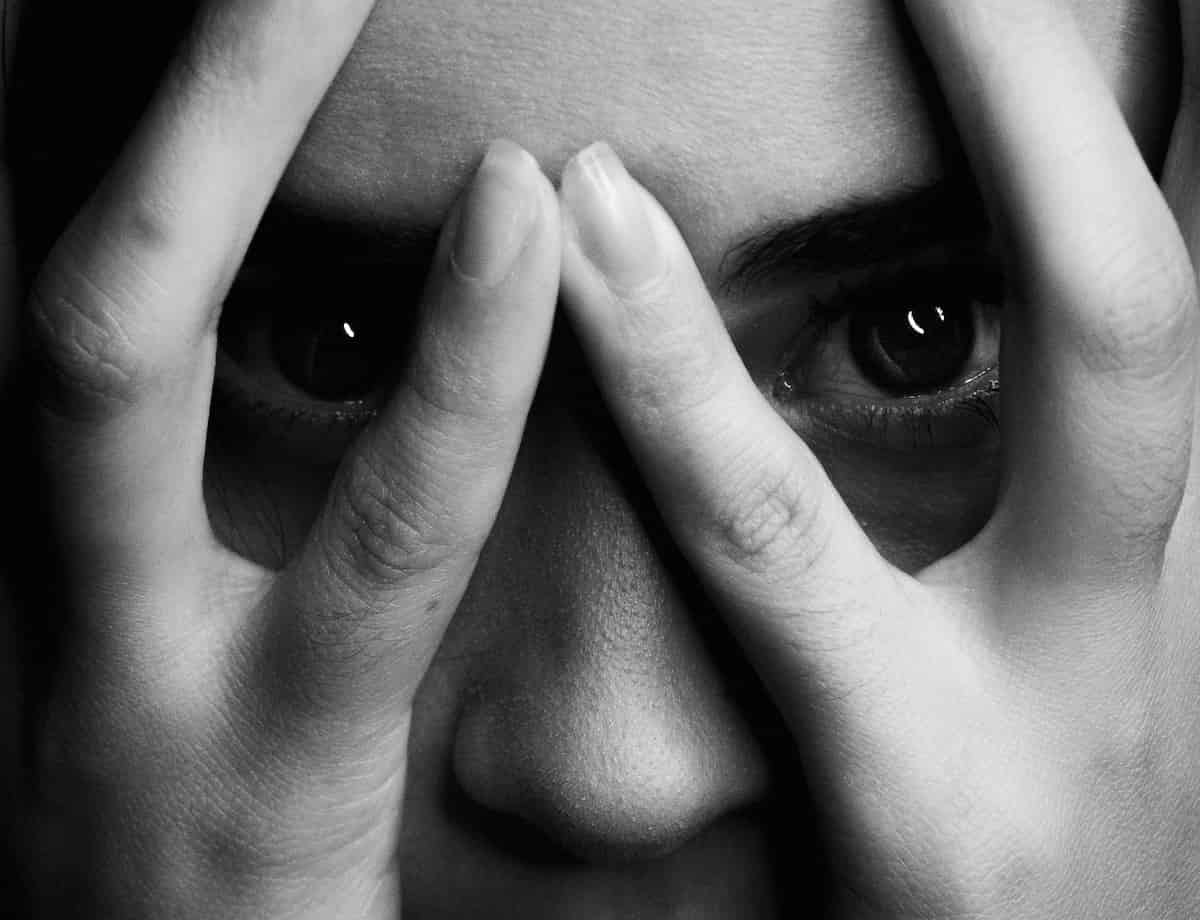
The off-switch for fear: how the brain overrides our worst anxieties.
Exposing people to their fears is one of the best treatments for anxiety-related disorders.
By confronting these fears, patients can build positive experiences that actively override the original trauma.
Now, scientists have discovered that the brain cells that suppress fearful memories are located in the hippocampus.
As a critical hub for memory, the hippocampus contextualises our traumas, mapping out exactly how and where a scary event took place.
The hippocampus helps to contextualise a fearful memory, reminding us how and where it happened.
Treatments can create positive memories to rival the existing fearful ones — psychologists call these ‘extinction memories’.
Dr Michael Drew, study co-author, said:
“Extinction does not erase the original fear memory but instead creates a new memory that inhibits or competes with the original fear.
Our paper demonstrates that the hippocampus generates memory traces of both fear and extinction, and competition between these hippocampal traces determines whether fear is expressed or suppressed.”
Although extinction memories can be effective, the older fearful memories may return without warning.
Dr Drew said:
“There is frequently a relapse of the original fear, but we knew very little about the mechanisms.
These kinds of studies can help us understand the potential cause of disorders, like anxiety and PTSD, and they can also help us understand potential treatments.”
To map this process, neuroscientists conditioned mice to associate a specific environment with a mild, harmless shock.
This fearful memory was then turned on and off by neuroscientists using a technique called optogenetics — the use of light to control cells in living tissue.
The results showed that the extinction neurons were located in the hippocampus, a structure that is vital for memory.
Dr Drew explained:
“Artificially suppressing these so-called extinction neurons causes fear to relapse, whereas stimulating them prevents fear relapse.
These experiments reveal potential avenues for suppressing maladaptive fear and preventing relapse”
Related
- 12 Studies Reveal The Life-Changing Habits That Crush Anxiety (P)
- Conquer Social Anxiety: 10 Valuable Insights From Psychological Research (P)
- 9 Ways To Relieve Anxiety Without Medication (P)
The study was published in the journal Nature Neuroscience (Lacagnina et al., 2019).