
 If you’re not already aware of Wikipedia then check it out, it’s an encylopedia written by the people for the people. It’s articles are concise, interlinked and, in the most part, very illuminating.
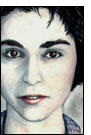
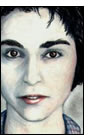
On my ‘Wiki-hunt’ of the psychology section of Wikipedia I came across many interesting articles. One tells the gruesome story of the murder of Kitty Genovese (left – illustration by Bill Rose). I’ll let you read the story there, but it does highlight what psychologists call ‘social loafing’. This is the idea that people in groups tend to assume that someone else will take any required action. The media suggestion at the time of this case, while controversial, was that some people who heard her screams failed to intervene.
We are now very familiar with this from many TV programmes that use it for comic effect. Hidden camera shows will stage a fight or an outburst of some kind in a public place. Unaware they are being watched, people will usually gawp at the manufactured scene, but very rarely intervene.
A related idea, succinctly described on changingminds.org, is that of social facilitation. When people are watched carrying out a task that they find easy, their performance improves. In contrast, when watched carrying out a task they find difficult, their performance declines.
Social loafing and social facilitation are two examples of how the mere presence or absence of other people can have unusual effects on our behaviour. Wikipedia Psychology