One reason loneliness is so hard to overcome.
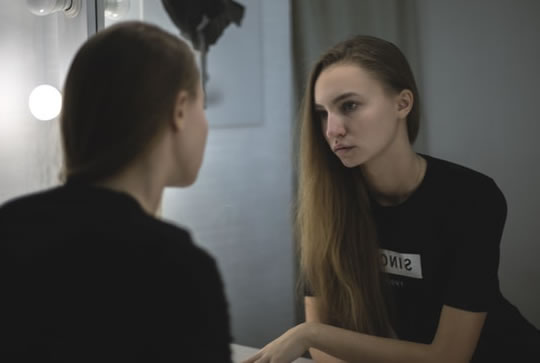
Sitting or standing further away from friends and family is a symptom of loneliness, research finds.
Lonely people people prefer a larger interpersonal distance between themselves and those with whom they have the closest relationships.
The reason lonely people keep their distance is that they are more wary of social threats.
Although they want to reconnect with others, lonely people are anxious about being rejected or facing hostility.
Naturally, this makes loneliness harder to overcome.
Mr Elliot Layden, the study’s first author, said:
“To our knowledge, this is the first direct evidence for a link between interpersonal distance preferences and loneliness.
This finding may be important to consider in the context of loneliness interventions—such as client-therapist interactions and community programs seeking to combat loneliness.”
The study included 580 people who were surveyed about their loneliness and their preference for interpersonal space.
The results showed that being lonely doubled the chance that someone would prefer to stand or sit further away from their friends and family.
However, lonely people do not stand or sit any further away from strangers, the research also showed.
Some people felt lonely despite having a high degree of social interaction, for example at work.
Dr Stephanie Cacioppo, study co-author, said:
“You can feel alone even in a crowd or in a marriage—loneliness is really a discrepancy between what you want and what you have.”
Lonely people go into a kind of ‘survival mode’ that helps protect them from social threats.
Dr Cacioppo said:
“This ‘survival mode’ means that even though a lonely person wants more social interaction, they may still unconsciously keep their distance.
The hope is that by bringing this to conscious attention, we can reduce the incidence of divorce as a byproduct of loneliness and increase meaningful connections among people.”
The study was published in the journal PLOS ONE (Layden et al., 2018).