
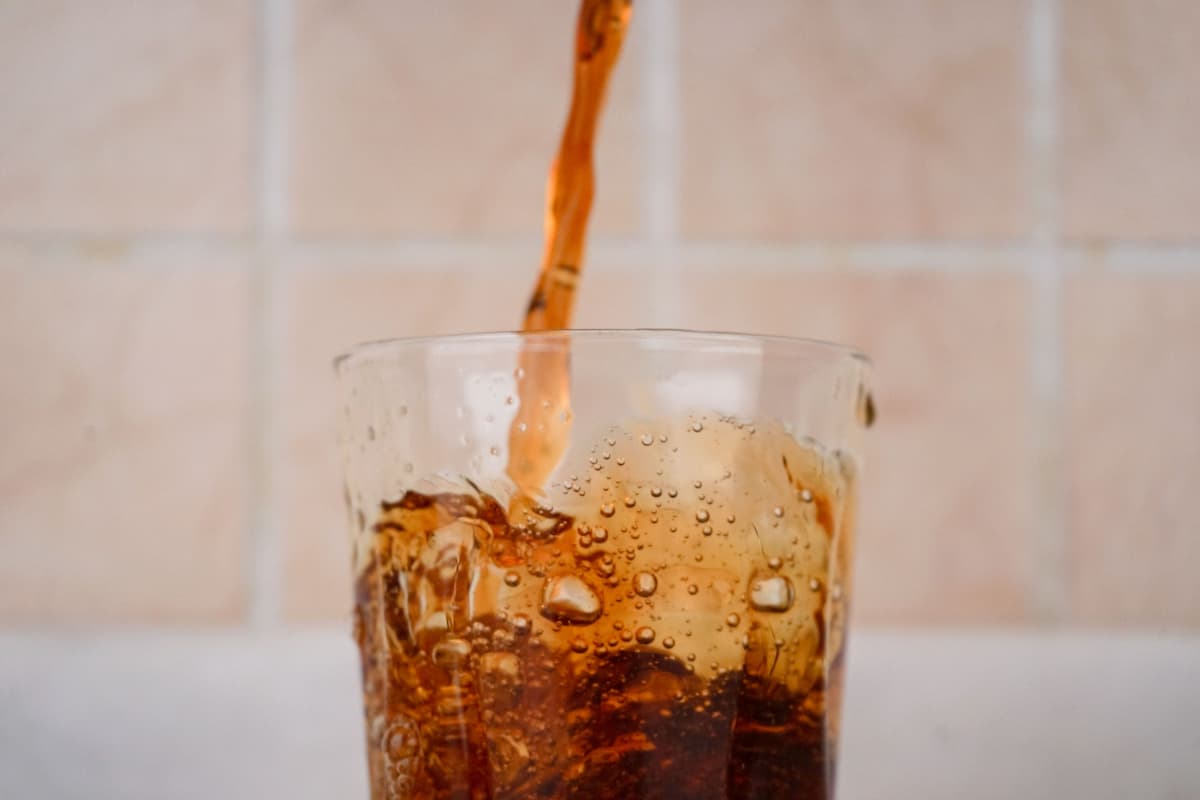
Swapping just three drinks a week was linked to less weight gain over four years. What mattered was which drinks people gave up.
Swapping sugary drinks for water is linked to less weight gain over time, according to a study of more than 140,000 adults.
Replacing them with diet drinks shows much the same pattern.
Switching from diet drinks to water was linked to a much smaller difference in weight.
Both swaps could make a difference by cutting the calories people get from their usual soft drinks.
A diet version can also preserve the familiar sweet taste, which may make the change easier for some people to stick with.
The findings suggest that the drink someone gives up may matter more for their weight than which of these two alternatives they choose.
How the swaps compare
The researchers drew on three long-running US studies that followed nurses and other health professionals for a typical period of 28 years.
Participants regularly reported what they drank and how much they weighed, allowing researchers to see how their drinking habits and weight shifted over four-year periods.
The researchers estimated about 1.4 kg less weight gain over four years when three sugary drinks a week were replaced with either water or diet drinks.
The estimated difference for replacing three diet drinks a week with water was only about a tenth of a kilogram over the same period.
People who cut back on sugary drinks tended to gain less weight whether or not they increased their intake of diet drinks.
The researchers estimated the swaps from changes in people’s reported habits, so the study can show associations but cannot establish how much weight any individual would gain or lose after making the switch.
Can sweetness preferences change?
Replacing a regular soft drink with its diet version changes the calories while keeping much of the experience of having a sweet drink.
Switching to water also removes the sweet taste, which may change how much sweetness people prefer over time.
In a separate year-long randomised trial, people assigned to replace sugary drinks with unsweetened ones showed a greater drop in their preferred level of sweetness than those assigned to artificially sweetened drinks (Ebbeling et al., 2020).
That change in taste preference offers a possible reason why an unsweetened choice might become more appealing with time.
Related
The study was published in the American Journal of Clinical Nutrition (Espinosa et al., 2026).