
Your brain uses this nutrient for memory, but its relationship with dementia risk is more complicated than “more is better”.
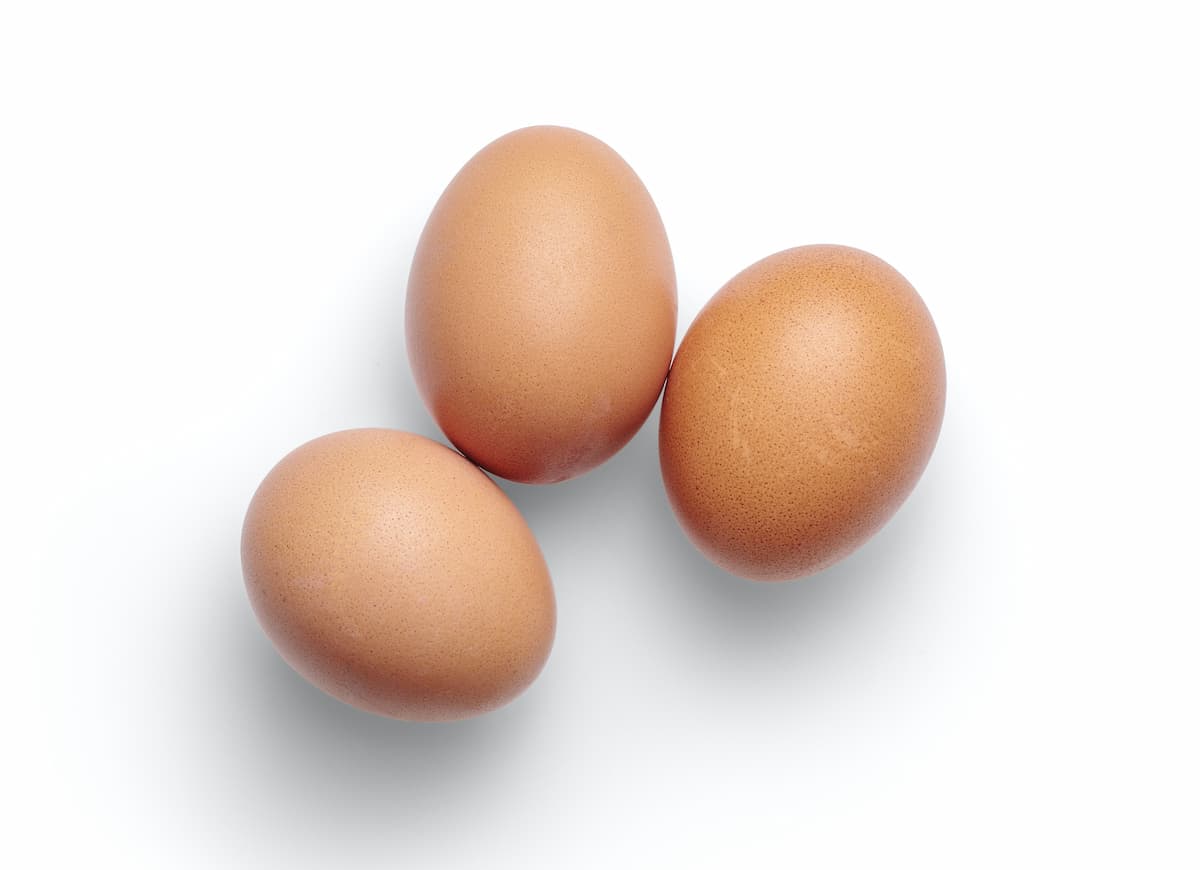
Moderate intake of choline, a nutrient found in eggs, fish and legumes, is linked to a lower risk of dementia.
Older adults consuming moderately high amounts had a 32 percent lower dementia risk than those consuming the least.
However, the highest intake was not associated with a clear benefit, suggesting that more is not necessarily better.
Tracking dementia risk
The research followed over 5,000 American adults, whose average age was almost 69, for around eight years.
Participants were initially free of dementia but around 500 developed the condition during follow-up.
After dividing participants into five groups according to choline intake, the researchers found a 32 percent lower dementia risk in the second-highest group than in the lowest, after accounting for other factors.
However, there was no statistically clear reduction in the highest-intake group.
The result therefore points towards a potentially beneficial range, rather than a steady fall in risk with every increase in consumption.
The researchers then combined their results with four previous studies to assess the broader pattern.
Together, these followed almost 138,000 people and recorded around 2,500 cases of dementia.
In the combined analysis, dementia risk fell as choline intake rose to approximately 465 milligrams per day, with no further reduction beyond that level.
Choline and memory
Choline helps the brain produce acetylcholine, a chemical messenger involved in learning and memory.
It also supplies building blocks for the membranes surrounding brain cells, helping maintain their structure and communication.
These roles could help explain a link between choline and cognitive ageing, although they do not prove that consuming more prevents dementia.
The nutrient also participates in processes that regulate homocysteine, a substance linked to problems with blood vessels and cognitive function.
Food sources matter
Eggs, meat, poultry and nuts were among the main sources of choline in the American participants’ diets.
People consuming more choline obtained a greater proportion of it from eggs.
Crucially, the analysis assessed choline from food and did not include intake from supplements.
The findings therefore cannot establish whether choline supplements would lower dementia risk.
Related
The study was published in the Nutrition Journal (Chen et al., 2026).