
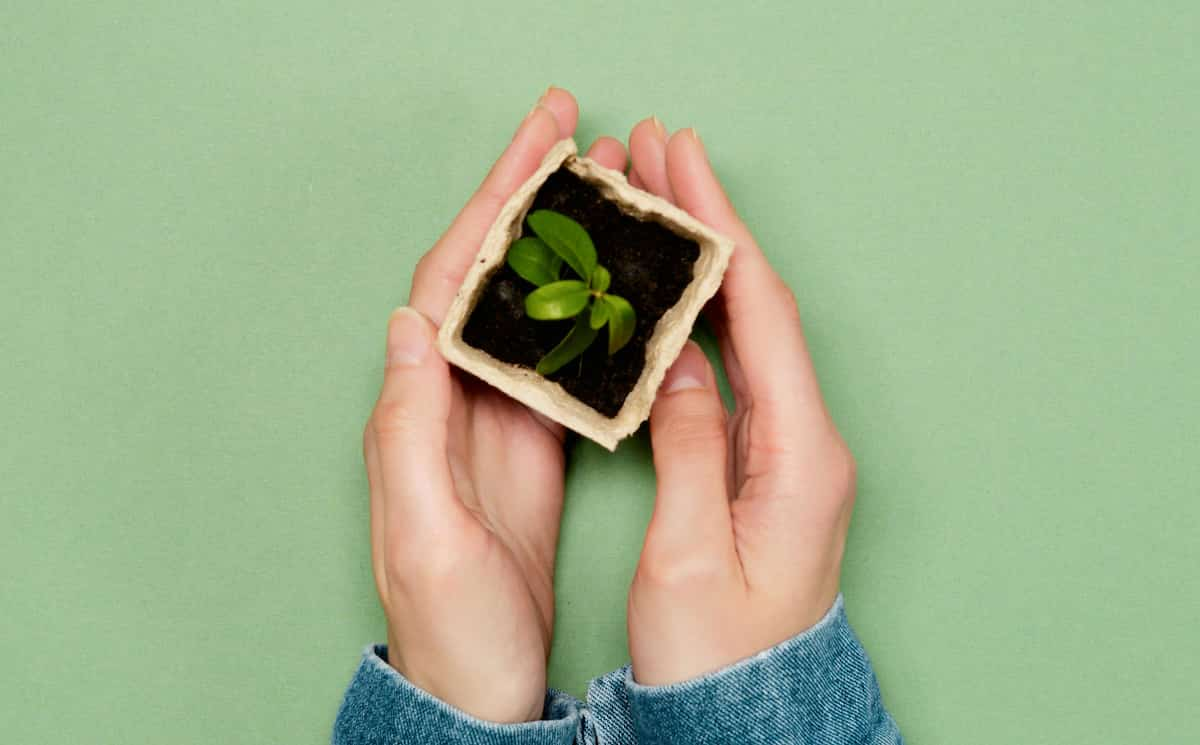
The considerable benefits to health and well-being of gardening.
People who have access to a private garden enjoy greater well-being.
Using the garden is linked to higher well-being, more physical activity and more frequent visits to nature.
People who have balconies, yards and patios are also more likely to get sufficient physical activity.
Research has also found that gardening is one of the most rewarding daily activities that people can pursue.
It makes people at least as happy as other activities commonly linked to higher well-being, such as exercise and eating out.
Vegetable gardening, in particular, provides a bigger boost to happiness compared to ornamental gardening.
Doctors should prescribe gardening for mental health problems, dementia and cancer, one report has urged.
Dr Sian de Bell, the study’s first author, said:
“A growing body of evidence points to the health and wellbeing benefits of access to green or coastal spaces.
Our findings suggest that whilst being able to access an outdoor space such as a garden or yard is important, using that space is what really leads to benefits for health and wellbeing.”
The conclusions come from a survey of 7,814 people in England.
The results showed that the benefits to health and well-being of having a garden were similar to the benefits of living in an affluent area compared to a poor area.
This study found similar benefits for both gardening and just spending time in the garden.
Dr Becca Lovell, study co-author, said:
“Gardens are a crucial way for people to access and experience the natural environment.
Our new evidence highlights that gardens may have a role as a public health resource and that we need to ensure that their benefit is available equally.”
No garden? No problem
For those without gardens, though, even modest reminders of nature can help boost mental health.
Nature can be experienced on a walk close to home, in the back yard or even indoors.
All have been shown to improve mental health and well-being and reduce anxiety.
Experiencing nature mindfully can help increase its effect, as can sharing memories of nature, thinking back to natural places that induce calm and sharing these stories with others.
Nature can help stop rumination — thinking about the causes and consequences of depressing events — a process common in depression.
Related
The study was published in the journal Landscape and Urban Planning (Bell et al., 2020).