
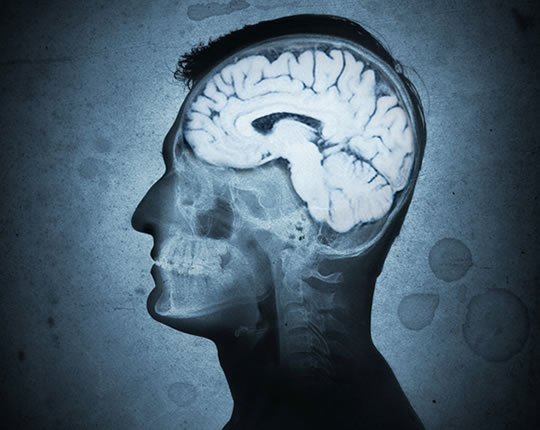
Marijuana Does Not Cause Schizophrenia

New study on marijuana use finds little evidence that the drug causes schizophrenia.

New study on marijuana use finds little evidence that the drug causes schizophrenia.

The study, published in Schizophrenia Research, and carried out at Harvard Medical School, compared families with and without a history of schizophrenia (Proal et al., 2013).

It comes in response to much research which has linked marijuana use with schizophrenia (e.g. Moore et al., 2007).

These previous studies, however, could not rule out the possibility that people who are prone to developing schizophrenia are also more likely to use marijuana.

In other words: marijuana may not cause schizophrenia, but it might be that people who are prone to developing schizophrenia are more likely to use marijuana. This would explain the link that’s been found in the studies.

In the new study, by comparing families with and without a history of marijuana use, the Harvard researchers were able to address this question.

They recruited four groups:

  • 87 non-psychotic people who had used no drugs.
  • 84 non-psychotic people who had used marijuana.
  • 32 patients who had schizophrenia but hadn’t used drugs.
  • 76 patients with schizophrenia who had used marijuana.

They then looked at the relatives of those with schizophrenia in comparison to the relatives of those in the control groups.

The results showed an increased risk of developing schizophrenia in the relatives of patients who already had schizophrenia, whether or not those patients used marijuana.

This study, then, finds no evidence that marijuana is associated with developing schizophrenia. The authors conclude that:

“…cannabis does not cause psychosis by itself. In genetically vulnerable individuals, while cannabis may modify the illness onset, severity and outcome, there is no evidence from this study that it can cause the psychosis.” (Proal et al., 2013).

Is it safe?

One study, of course, is not the end of this debate.

For one thing this study can’t tell us anything about the interaction between the genetic predisposition to develop schizophrenia and marijuana use.

Many researchers still believe that marijuana use may be a factor in the onset of schizophrenia in those who are at risk.

Certainly, there is plenty of other evidence out there that marijuana is not the totally safe drug that many teenagers perceive it to be.

→ Read on: Teen Myth: Marijuana is a ‘Safe Drug’.

Image credit: Eugenia Lyakhova

Teen Myth: Marijuana is a ‘Safe Drug’

New research challenges the common teenage view that marijuana is a ‘safe drug’ in comparison to alcohol and tobacco.

New research challenges the common teenage view that marijuana is a ‘safe drug’ in comparison to alcohol and tobacco.

Especially among teens, there is perception that, in comparison to ‘dangerous’ legal drugs like alcohol and tobacco, marijuana is relatively safe.

Surveys suggest that one-third of high school seniors have tried pot in the last year and less than half of 17-year-olds believe the drug is harmful.

A new review of the evidence, however, to be published in Neuropharmacology, suggests the drug may have harmful consequences for the growing adolescent brain.

Hurd et al. (2013) reviewed data from more than 120 studies to examine the relationship between marijuana use and the teenage brain.

They find that marijuana may be harmful for a particular type of vulnerable adolescent, possibly leading to behavioural problems and addiction.

One of the study’s authors, Didier Jutras-Aswad explained:

“It is now clear from the scientific data that cannabis is not harmless to the adolescent brain, specifically those who are most vulnerable from a genetic or psychological standpoint. Identifying these vulnerable adolescents, including through genetic or psychological screening, may be critical for prevention and early intervention of addiction and psychiatric disorders related to cannabis use.”

While the research on the long-term effects of marijuana use, especially in vulnerable populations, is still relatively young, the warning signs are mounting:

  • A study of 1,037 individuals followed from birth found that persistent cannabis use was associated with cognitive decline over the years. More worryingly these problems continued even after drug use ceased (Meier et al., 2012).
  • A review of many studies on marijuana use has found that it can damage the encoding, storage, manipulation and retrieval mechanisms of memory (Solowij & Battisti, 2008).

Teenagers should be aware that, for those with particular vulnerabilities, like neuroticism and anxiety, marijuana is not as harmless as many assume.

Image credit: miggslives

Does Cannabis Cause Psychosis?

An excellent balanced report in The Independent:

“First, there has been no increase in schizophrenia in this country despite a massive increase in cannabis smoking. Second, there is no evidence that cannabis-growing populations such as Jamaica have a higher incidence of psychosis. Third, you can show an association [between the drug and the illness] but you can’t show a cause.”

The Independent

Get free email updates

Join the free PsyBlog mailing list. No spam, ever.